November 19, 2026
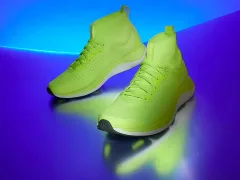
How did Nike lose the sneaker wars? Let us count the ways
Fast Company
How the Swoosh lost its grip on runners and sneakerheads alike, and what the people who watched it unfold say Nike must do to win them back.
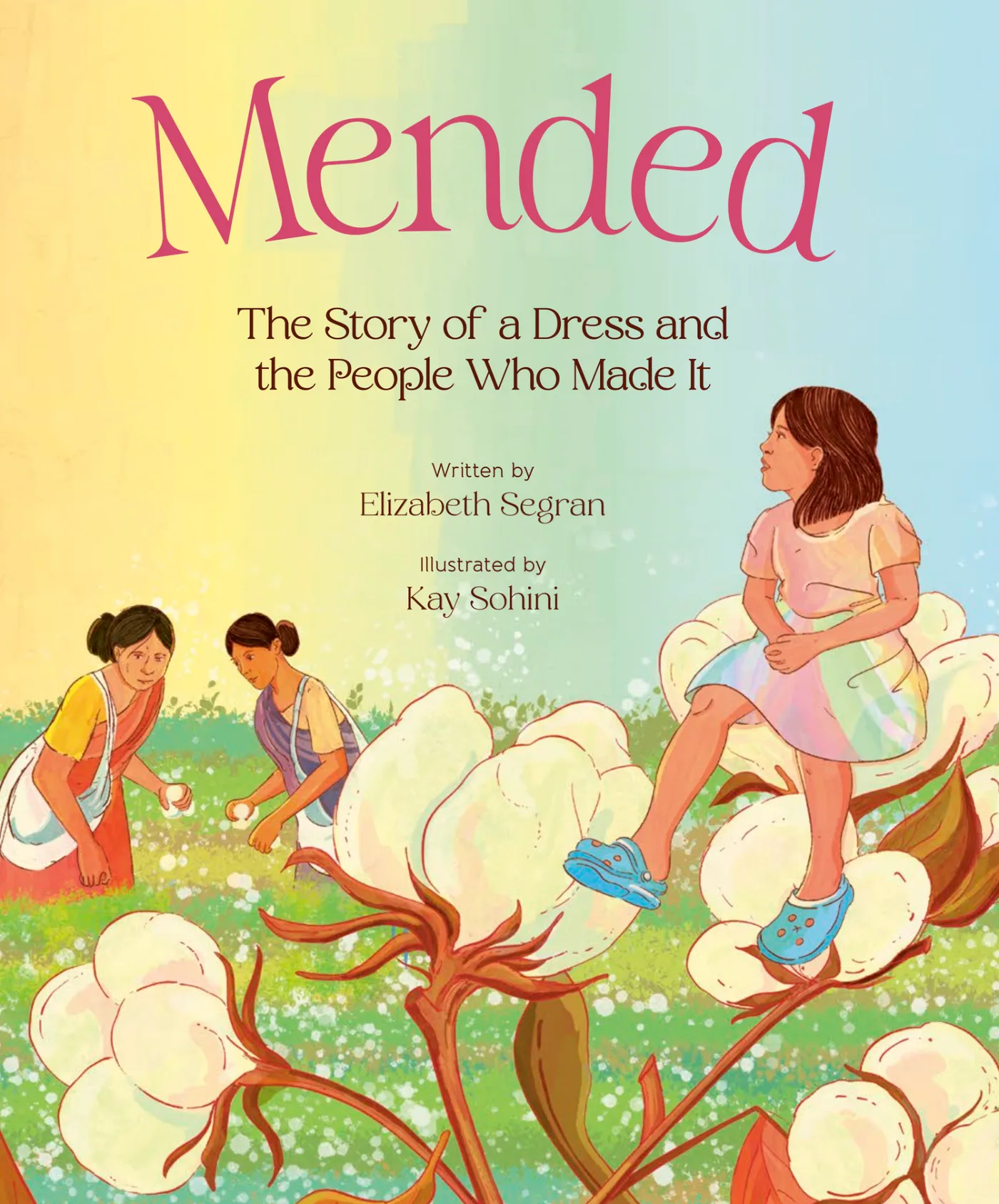
New picture book · April 6, 2027
The Story of a Dress and the People Who Made It
By Elizabeth Segran · Illustrated by Kay Sohini
Kokila, an imprint of Penguin Random House
Picture book · April 6, 2027
The Story of a Dress and the People Who Made It
Written by Elizabeth Segran · Illustrated by Kay Sohini
Kokila, an imprint of Penguin Random House
Every piece of clothing has a story, and it starts long before it reaches a closet. Mended follows a dress from the cotton fields where it begins to the girl who wears it, and introduces young readers to the many people whose work brings a piece of clothing to life.
The book grew out of Elizabeth's years of reporting on the fashion industry for Fast Company, including her 2020 coverage of garment workers in Los Angeles. It invites young readers to think about the people behind their clothes, and about how caring for the things we own keeps them in our lives longer.
For book events, school visits and media requests, write to [email protected].
Book tour
Acton, MA
A pre-publication launch: a reading from Mended and a mending activity for kids.
Everywhere books are sold
Mended is out in the world.
New York, NY
A launch tea for friends of the book.
Garment District, New York, NY
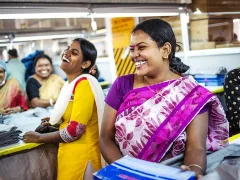
A conversation about the people who make our clothes, and a book drive for the children of the women Custom Collaborative trains for careers in fashion.
Oakland, CA
An afternoon with a kids’ panel, a fireside chat with Elizabeth about the book and a kids’ craft. Every ticket includes a copy of Mended.
Kendall Square, Cambridge, MA
A conversation on the future of fashion, with live music. Every ticket includes a copy of Mended.
Boston Seaport, MA
A family day with a reading, paper-doll making and a mending craft, followed by a book signing at Faherty.
New Canaan, CT
A reading and a mending party.
Greenwich, CT
An in-store reading with a kids’ activity.
Chestnut Hill, MA
An in-store reading with a kids’ activity.
Watch the trailer
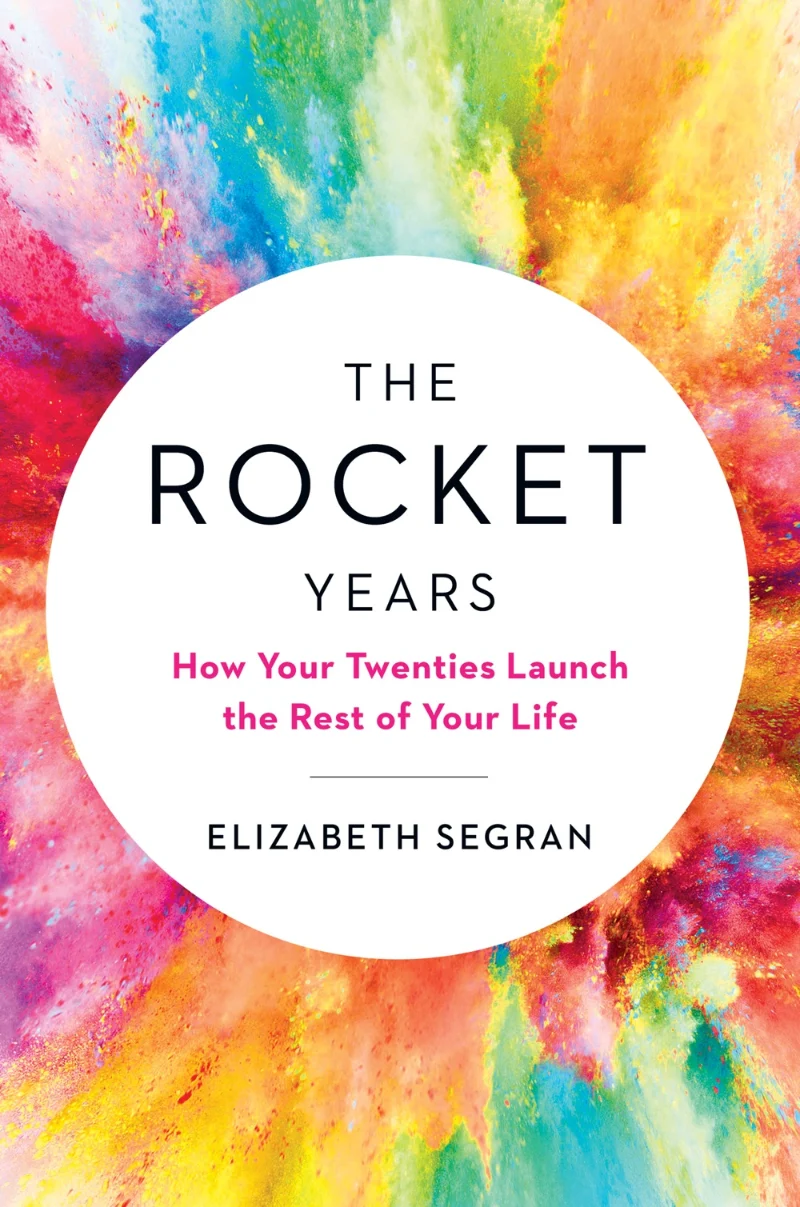
Nonfiction · 2020
How Your Twenties Launch the Rest of Your Life
By Elizabeth Segran
Harper, an imprint of HarperCollins
The choices we make in our twenties, about work, hobbies, health, love, family, friendship and faith, shape the rest of our lives far more than we tend to realize. The Rocket Years pairs stories from people at every stage of life with research from economics, sociology and political science to show how much control we have over that trajectory.
Rather than prescribing a single right path, the book invites readers of any age to think about the life they want to build and to treat their twenties as a launchpad rather than a holding pattern.
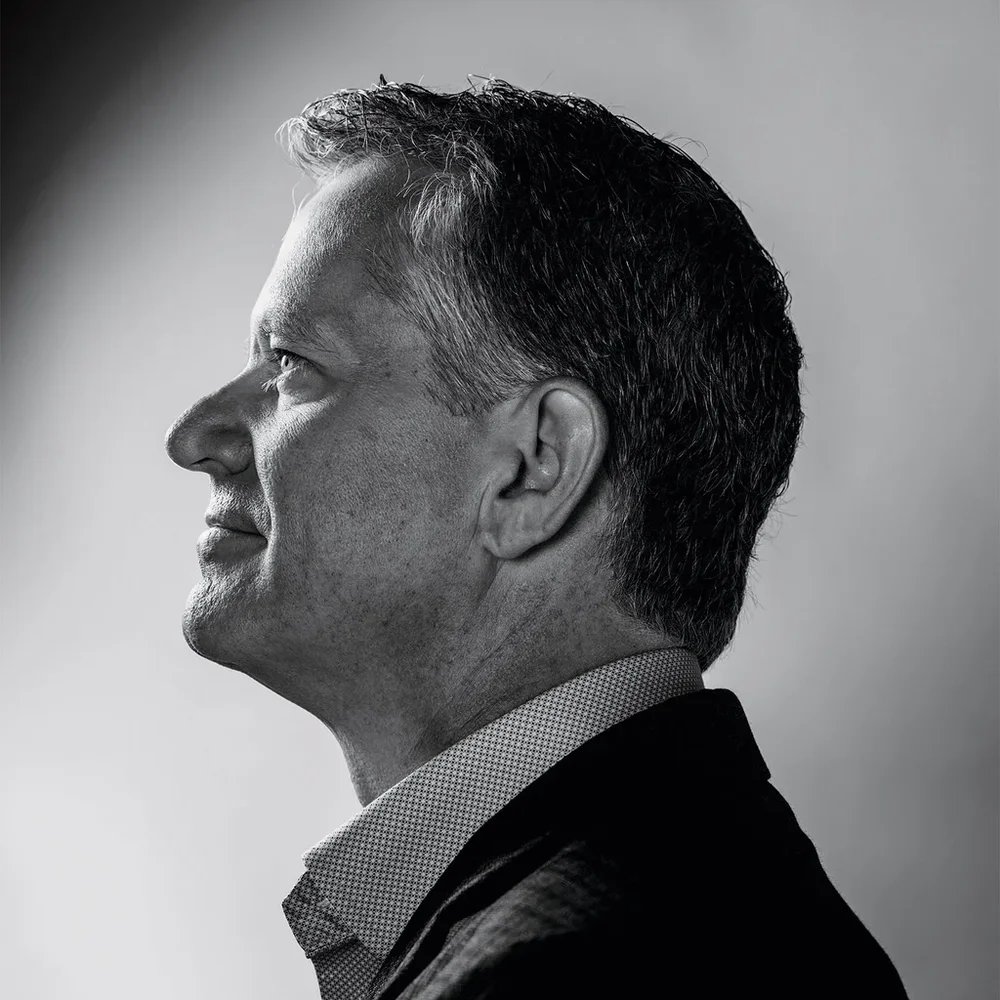
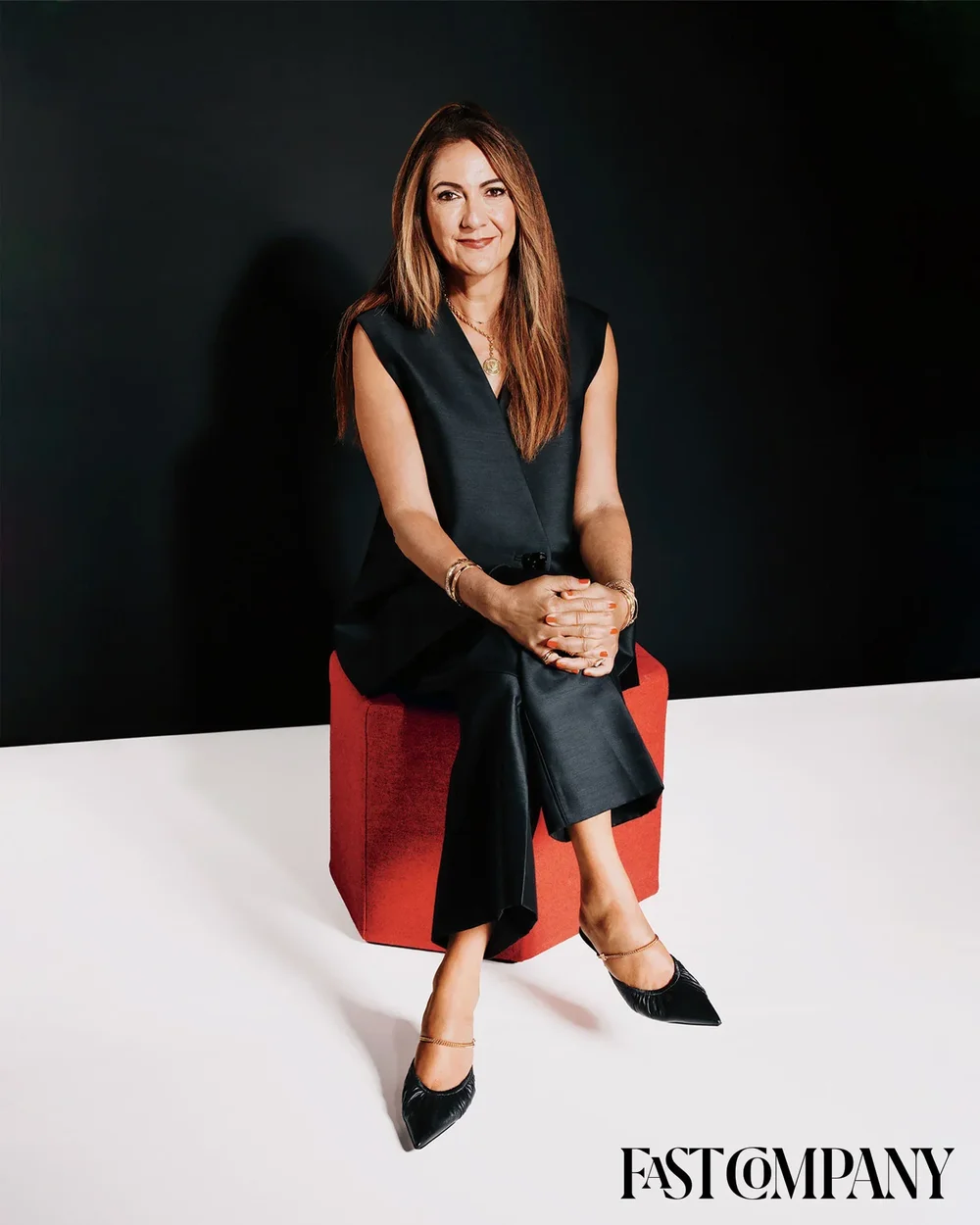


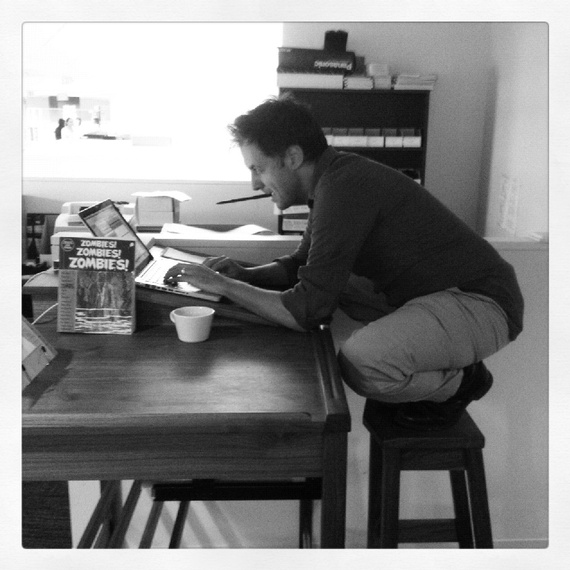

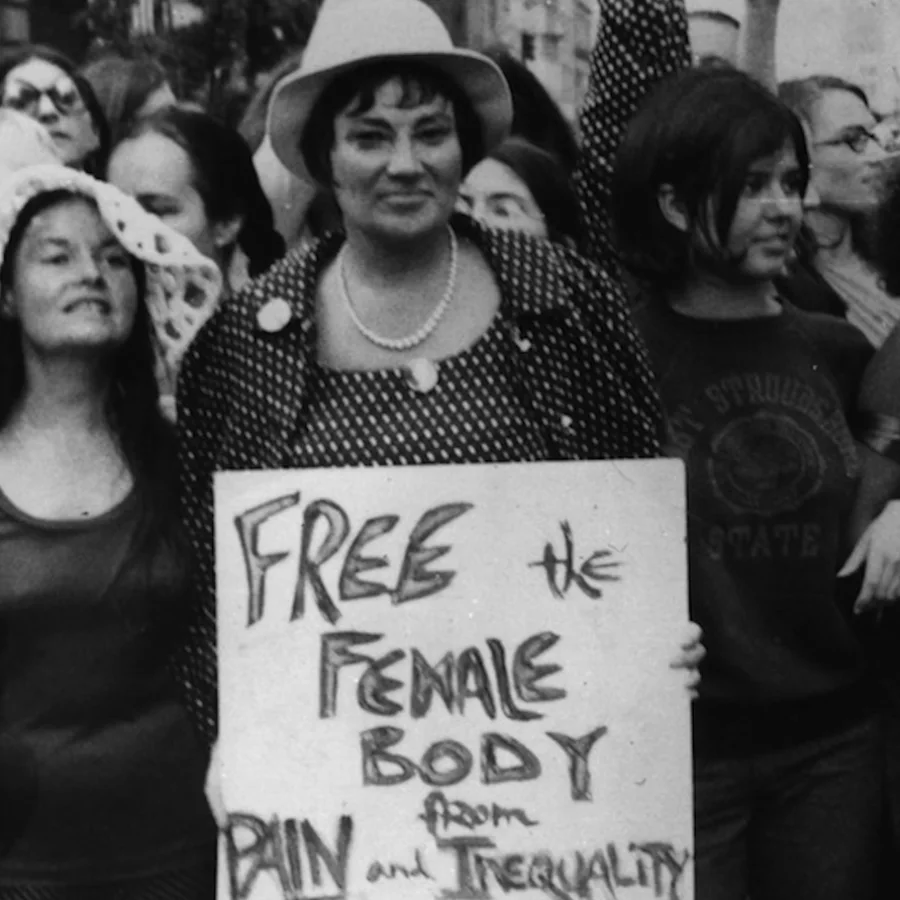
I'm a senior staff writer at Fast Company Magazine, where I write about fashion, retail and sustainability. You can find all my Fast Company stories here. For pitches, email me at [email protected]. I have also written for The Atlantic, Fortune, The Chronicle of Higher Education, Foreign Affairs, and Foreign Policy, among other publications.
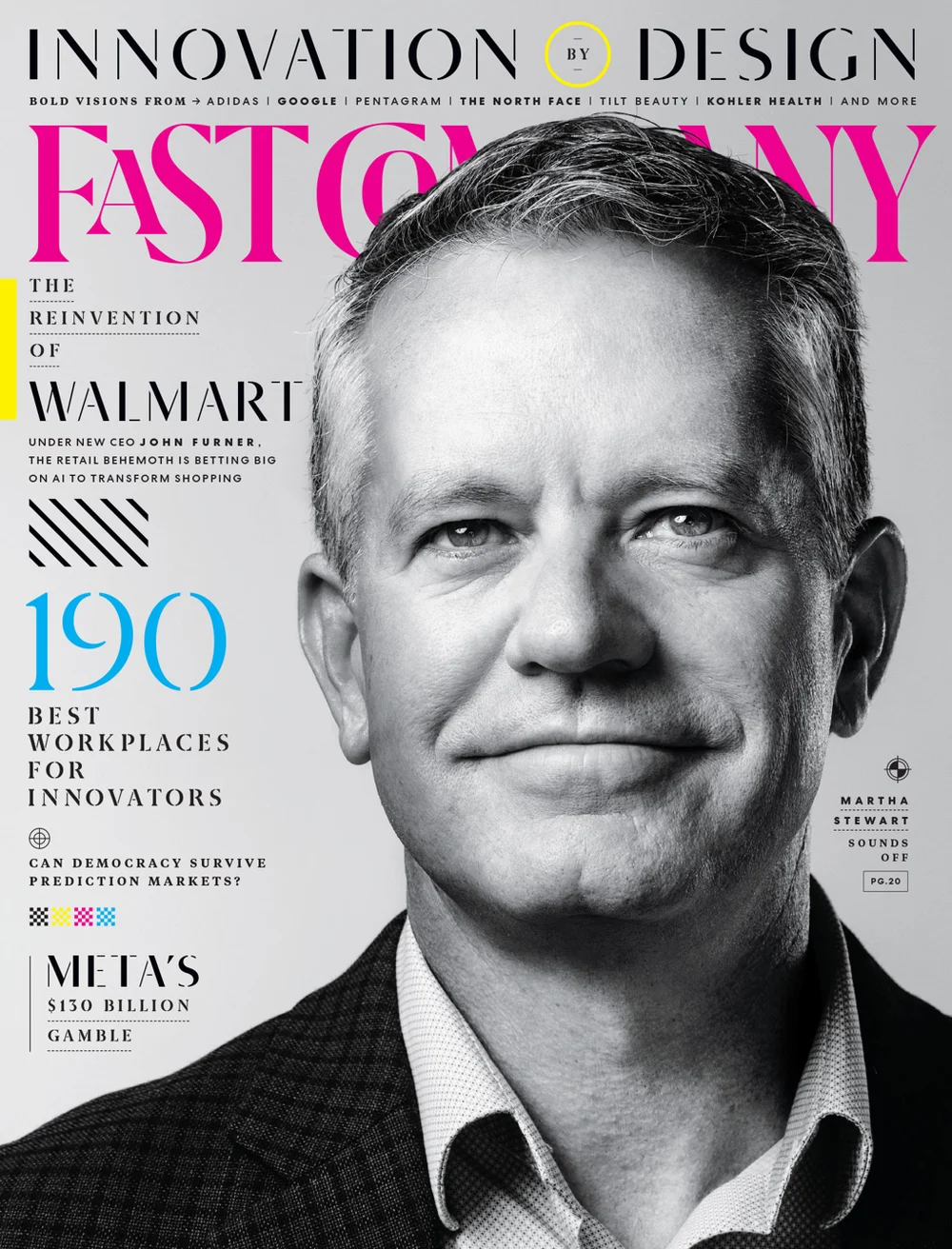
Cover story · Fall 2026
Inside the new CEO’s push to make the world’s largest retailer run on AI, and what that means for the people who work there.
Read the story ↗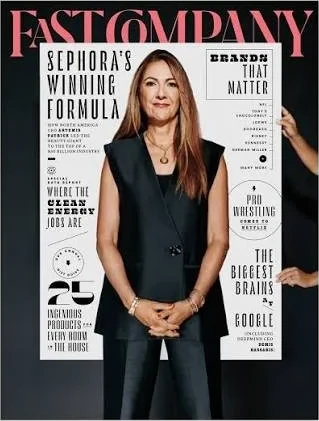
Cover story · Winter 2024
Under North America CEO Artemis Patrick, Sephora is the world’s most powerful beauty retailer, using its aisles and influence to make—or break—new brands.
Read the story ↗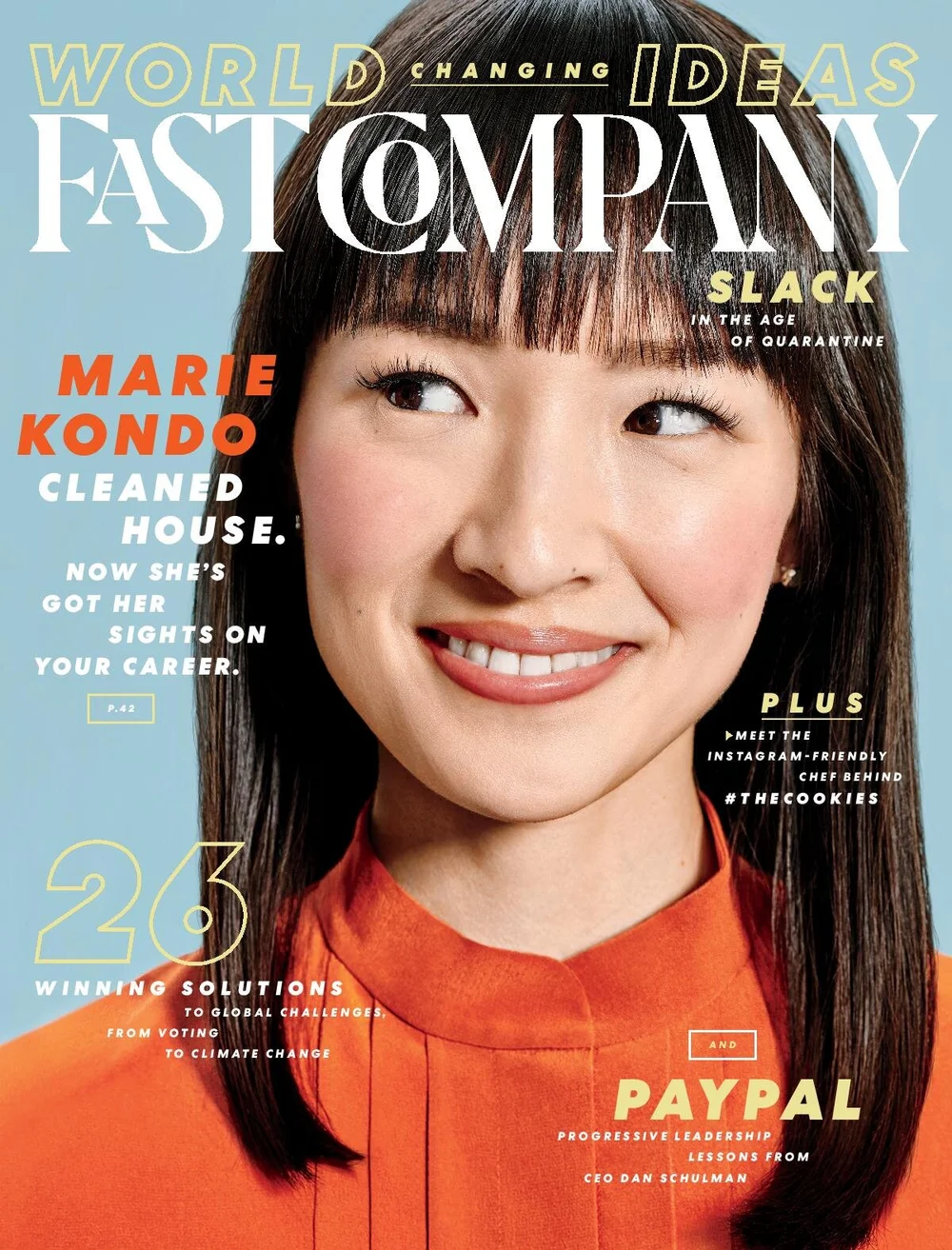
Cover story · May/June 2020
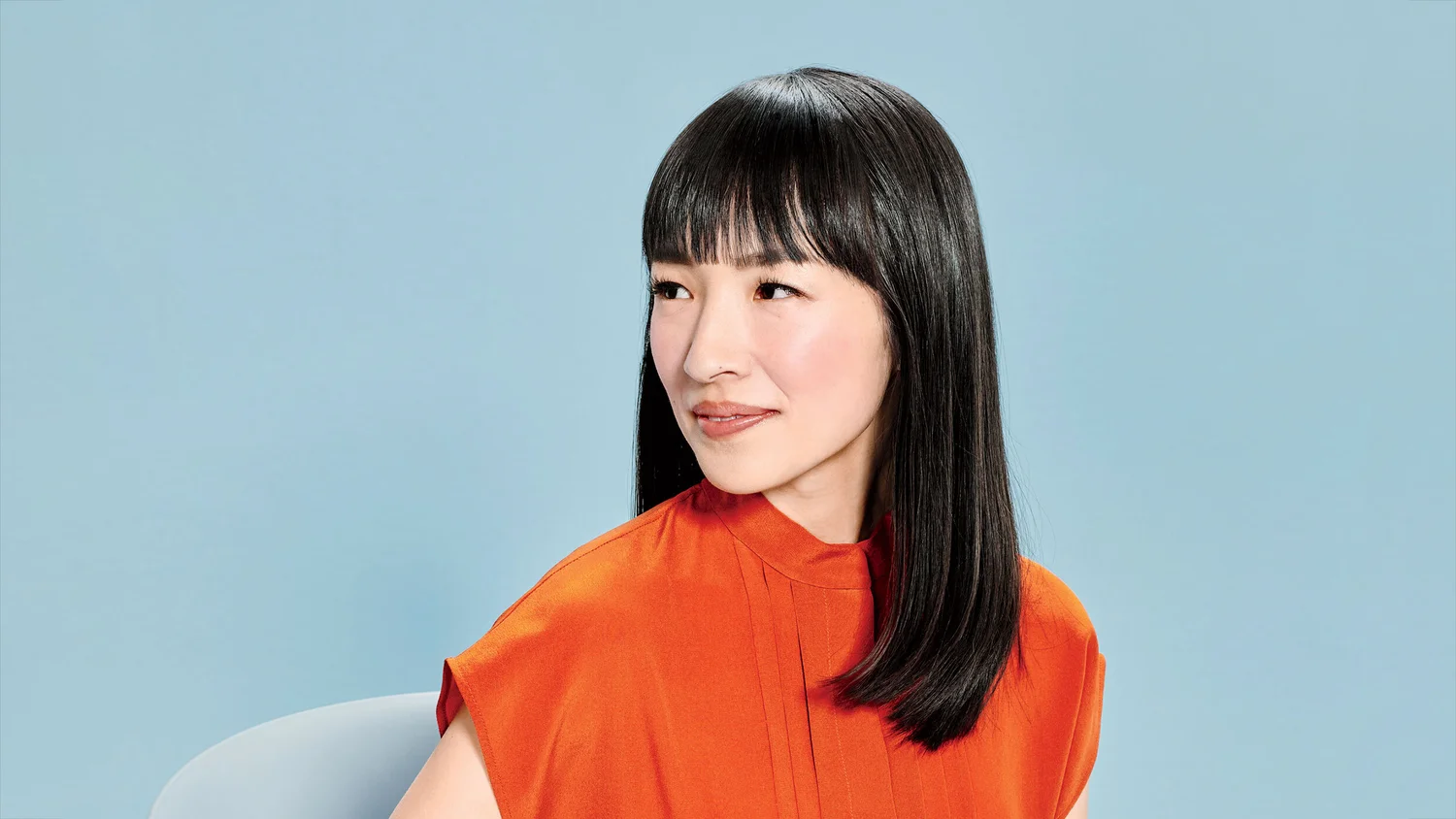
The millennial doyenne of decluttering wants to build the next lifestyle empire. But will it spark joy?
Read the story ↗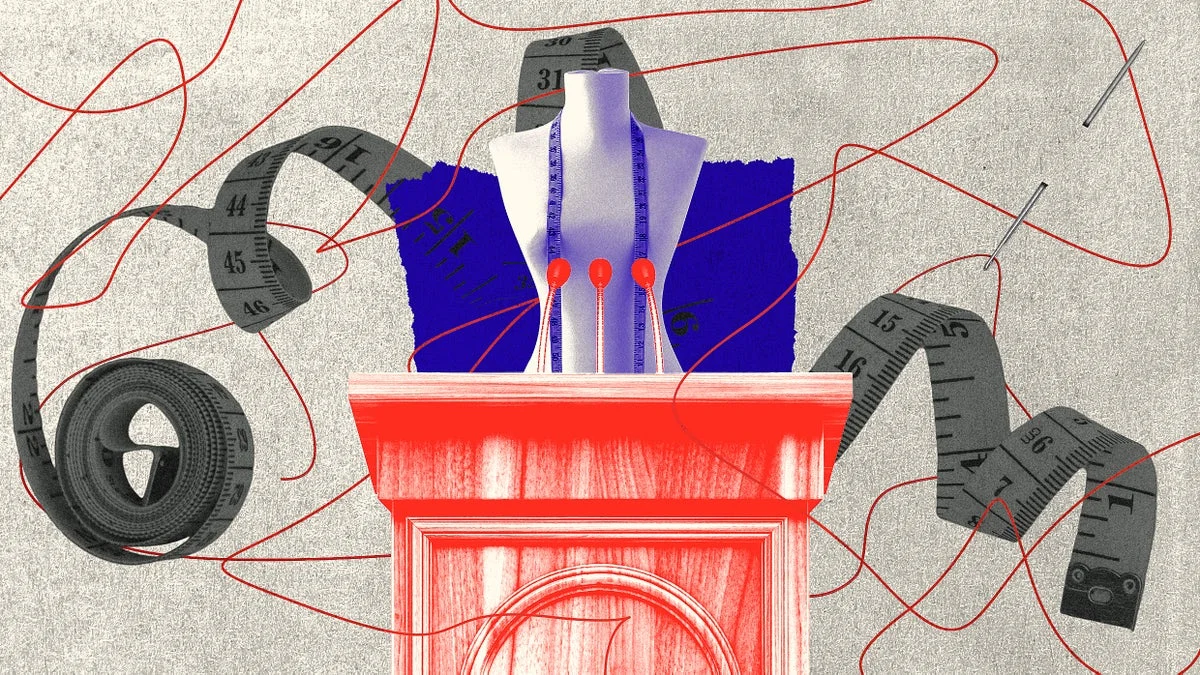
Fast Company · February 9, 2021
Fashion produces about a tenth of the world’s carbon emissions, yet it is barely regulated. I argued that the White House needed a senior appointee to take it on.
A group of activists turned my story into an official letter to the White House and Congress. It was co-signed by more than 80 fashion brands, experts and nonprofits, including Everlane, Allbirds, ThredUp, Timberland, Reformation and Mara Hoffman. A working group formed to keep campaigning for a fashion czar and to set priorities for the role. The letter is published by the Model Alliance, and a petition gathered public support.
Making headlines globally
Fast Company
How the Swoosh lost its grip on runners and sneakerheads alike, and what the people who watched it unfold say Nike must do to win them back.
Fast Company
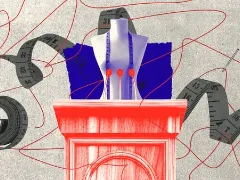
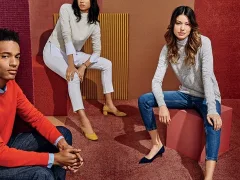
Women’s shirts were long cut from men’s patterns. A new wave of labels is rethinking the button-up with better fabrics, smarter fits and a sharper sense of power.
Fast Company
Lululemon’s accidental blockbuster gets a redesign meant to outrun the knockoffs, as the brand fights to hold on to its youngest shoppers.
Fast Company
The brand’s collaboration with the New York Public Library taps into fashion’s love affair with books and reading.
Fast Company
Startups and retail giants are racing to rebuild the market for 11-year-old girls, and there is plenty of market share up for grabs.
Fast CompanyCover story
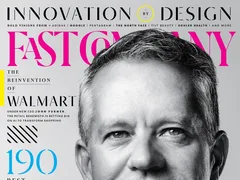
Inside the new CEO’s push to make the world’s largest retailer run on AI, and what that means for the people who work there.
Fast Company
Beginning with its most complicated shell jacket, the outdoor brand is rolling out a multiyear plan built around circularity.
Fast Company
Aspirational lifestyle is out. How a generation with $12 trillion in spending power is changing which brands get built, and which get funded.
Fast Company
In a trade-down economy, four retailers are winning over affluent and budget shoppers alike. Here’s what they’re getting right.
Fast CompanyMagazine story
Google, OpenAI, the social platforms and a wave of startups are racing to build shopping agents with a sense of style, not just a knack for reordering paper towels.
Fast Company
After a decade as the face of ethical fashion, Everlane’s reported sale to Shein marks the end of an era of millennial idealism.
Fast Company
Gap’s CEO and CMO revived an American staple by stepping in time with pop culture.
Fast CompanyMagazine story
Inside chief merchant Latriece Watkins’s strategy to win over wealthier shoppers hunting for value in an age of inflation.
Fast Company
The mall staple just filed for bankruptcy for the second time in seven years. Why it could still win over a new generation of tweens.
Fast Company
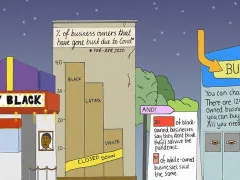
Black founders describe how funding evaporated and retailers like Target pulled back, leaving their businesses stranded.
Fast Company
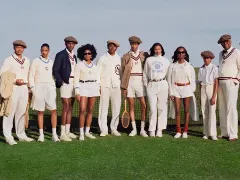
In the wake of American Eagle’s Sydney Sweeney controversy, Ralph Lauren shows how speaking to a diverse America can be a creative win.
Fast Company
The world’s biggest retailer is investing millions, with help from startup American Giant, to revive domestic cotton farms and factories.
Fast Company
Boycotts and tariffs battered Target in 2025, but its troubles started long before that.
Fast Company
The designer behind Lululemon’s blockbuster leggings on what comes next, including technical clothes made for the office.
Fast Company
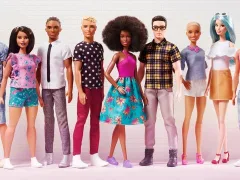
Mattel spent years turning Barbie into a progressive icon. Can it keep that image through the Trump administration?
Fast Company
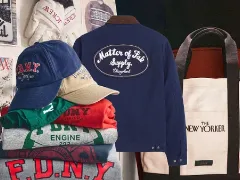
From The New Yorker to the FDNY, J.Crew’s CEO explains the thinking behind the brand’s many collaborations.
Fast Company
Making ultracheap Chinese retailers pay import taxes could level the playing field for American brands, and change how people shop.
Fast Company
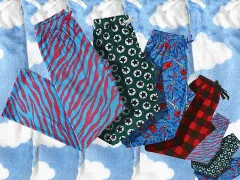
Five Below’s pajama pants went viral with tweens, who now wear them proudly out of the house.
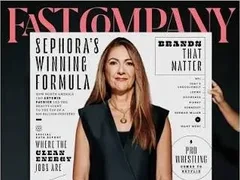
Fast CompanyCover story
Under North America CEO Artemis Patrick, Sephora is the world’s most powerful beauty retailer, using its aisles and influence to make—or break—new brands.
Fast Company
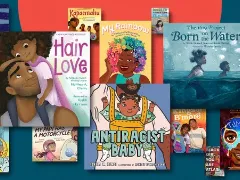
Penguin Young Readers’ Kokila imprint built its brand on diverse stories. Now it is navigating the backlash.
Fast Company
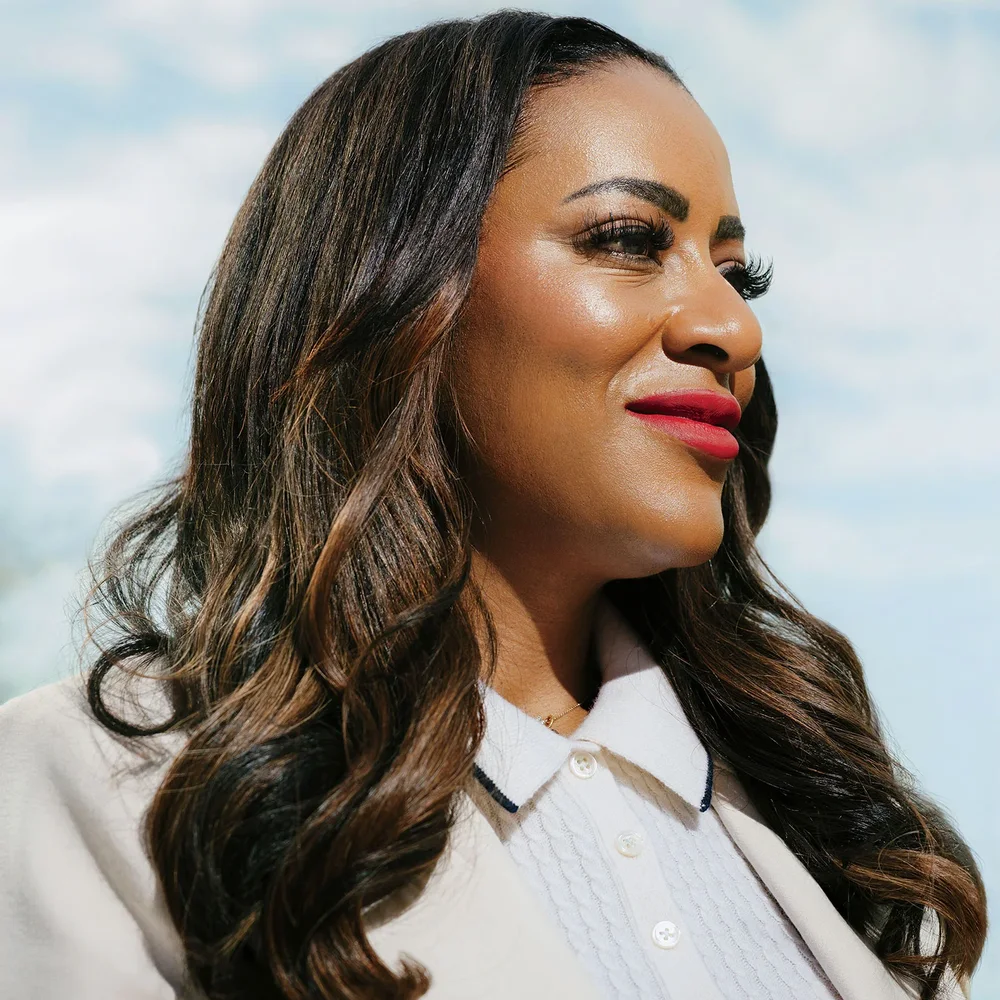
Why some of the most influential women of our time keep choosing his designs.
Fast Company
Inside the designer’s plan to bring back the brand’s glory days.
Fast Company
Camouflage has been claimed by all kinds of subcultures for very different reasons. Now it has become a political signal.
Fast Company
Millennials and Gen Z are fed up with products made to fall apart, and brands should take note.
Fast Company
How Kamala Harris could use fashion to redefine what power looks like.
Fast Company
The rise and fall of the clean beauty pioneer after its sale to the Carlyle Group, and its possible second act.
Fast Company
Designers are rarely shy about their politics. So why did the red carpet stay quiet about the war in Gaza?
Fast Company
Black cowboys were written out of American history. Now they are showing up all over fashion, and here is why that matters.
Fast Company
The designer on her reckoning with fashion’s climate impact, and the cleaner manufacturing technologies she is championing.
Fast Company
In a startup culture rife with misogyny, developing a cult of personality as a female founder was good for business—until it wasn’t. Did these other founders fare better because they weren’t as public?
Fast Company
At an event built around what’s new, a handful of designers, including Diane von Furstenberg, are putting vintage on the runway.
Fast CompanyMagazine story
Under the leadership of its founder, Paula Wallace, SCAD has grown into a global brand. But is what’s good for SCAD good for design?
Fast Company
The CEO speaks for the first time about the tara flour that sickened hundreds, led to lawsuits, and revealed big problems in U.S. food safety.
Fast CompanyMagazine story
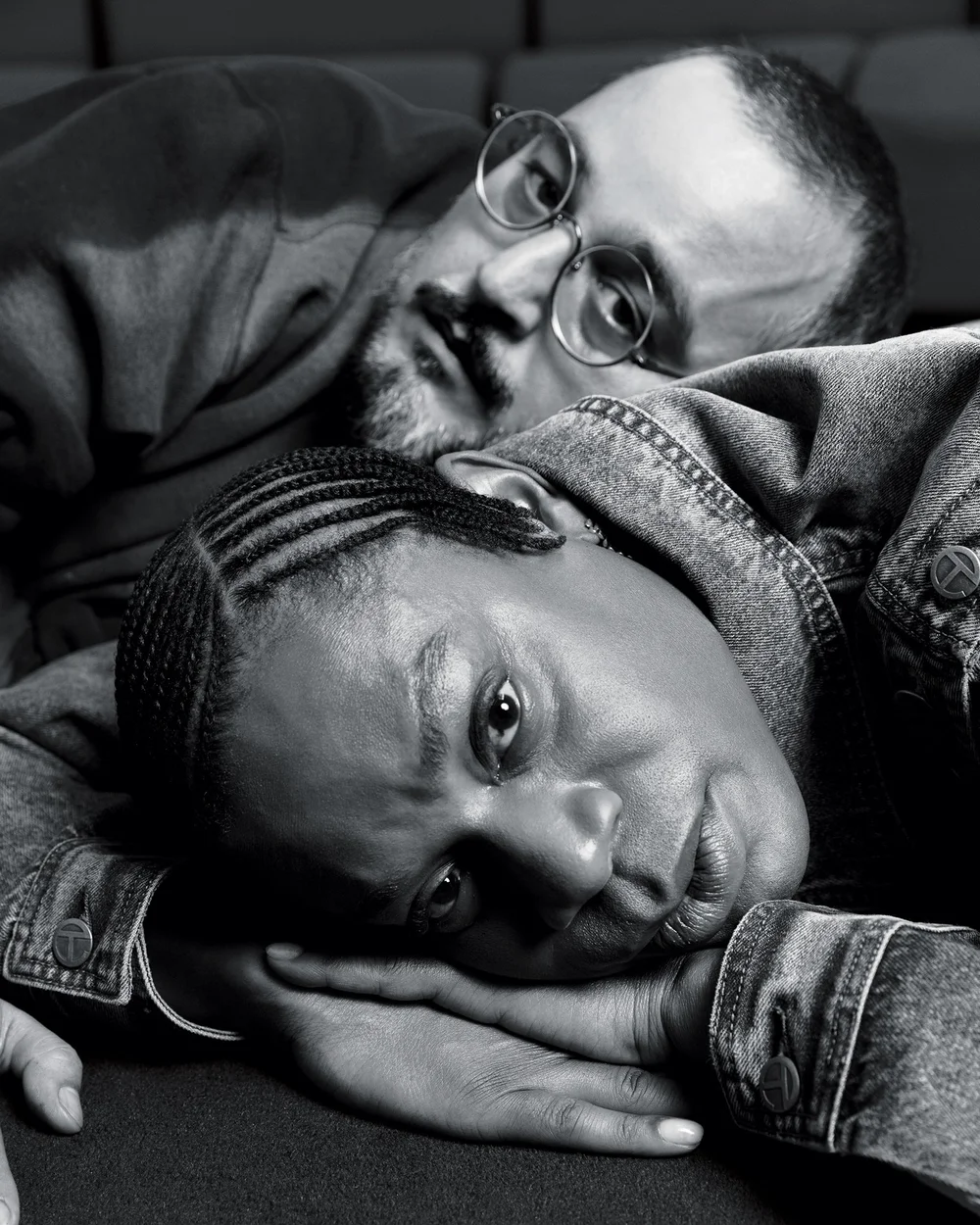
Affordable totes, limited-edition drops, and radical inclusivity. Inside the Telfar Clemens playbook.
Fast CompanyMagazine story
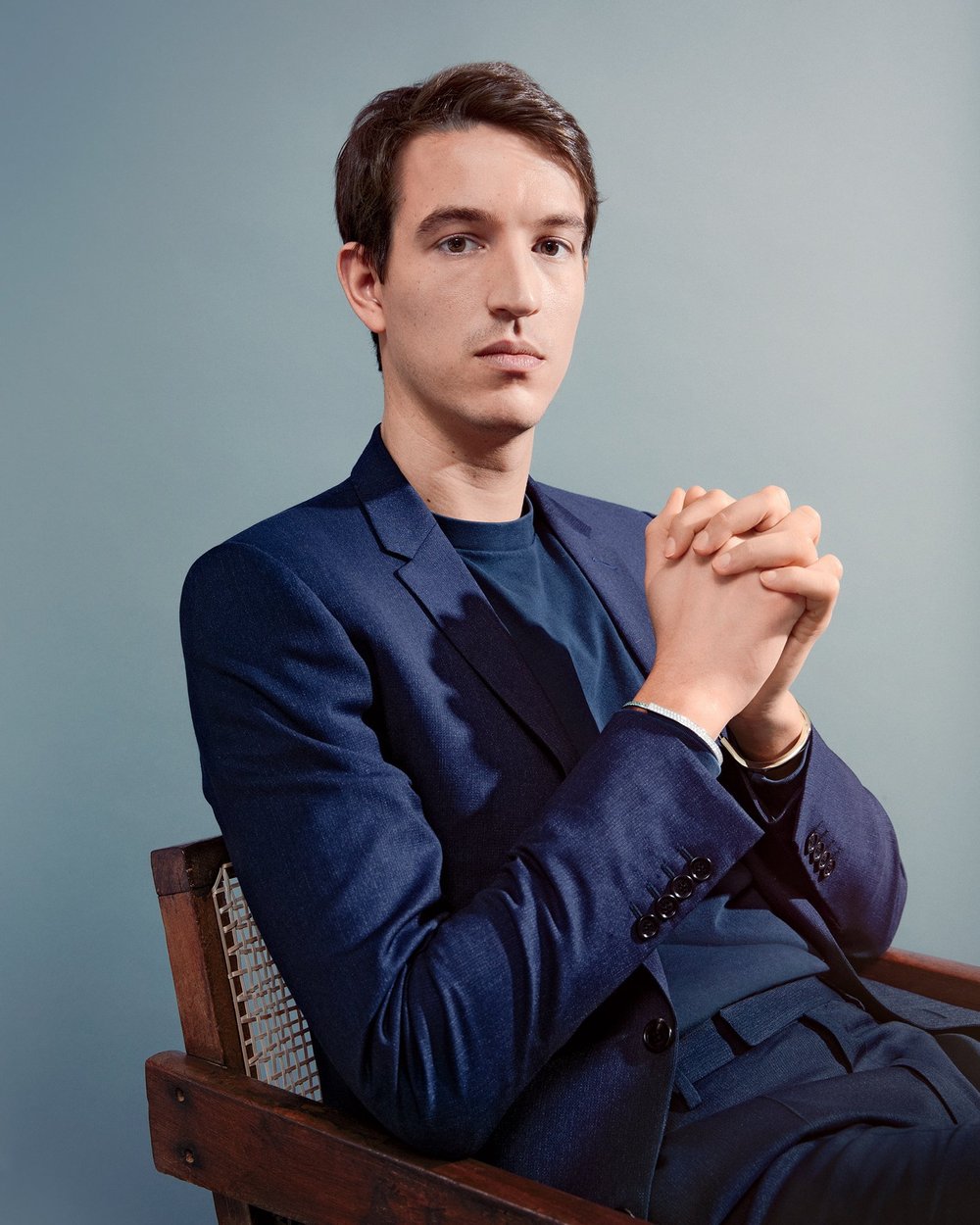
Before its acquisition by LVMH in 2021, the jeweler was losing its luster. Under Alexandre Arnault, it’s one of luxury’s brightest stars.
Fast Company
James Daunt launched his first indie bookshop in London 33 years ago. The Barnes & Noble CEO is now bringing the lessons he learned to the biggest bookseller in America.
Fast Company
A Levi’s campaign starring decades-old denim makes the case for buying fewer jeans and wearing them longer.
Fast Company
Behind the scenes at the Garment District workshop that embellishes looks for top designers, and how it has held on as manufacturing left New York.
Fast Company
Claire McCardell shaped much of what American women wear every day, then slipped out of fashion history. A Tory Burch collection tries to bring her back.
Fast Company
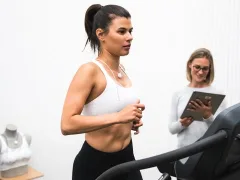
Research into how women’s bodies move during exercise led Lululemon to build its first sneakers around female anatomy.
Fast Company
The Supreme alum and Noah founder brings his vision of durable, unfussy American style to J.Crew.
Fast Company
Plenty of companies have renamed brands after public outcry. Why hasn’t Banana Republic faced the same pressure?
Fast Company
Once on the edge of bankruptcy, the 50-year-old accessories chain bounced back, with a boost from Gen Z nostalgia.
Fast Company
Old Navy pulled back on its size-inclusive push, but a crop of startups shows that dressing every body can be good business.
Fast Company
Startups are taking on the Huggies-and-Pampers duopoly with diapers that are better designed and easier on the planet.
Fast Company
A lawsuit against New Balance exposes how loosely “Made in USA” is defined, even as shoppers pay extra for it.
Fast Company
A Met exhibition traces how much Disney’s fairy-tale look owes to the Rococo decorative arts of 18th-century France.
Fast Company
For decades, the outdoor industry left people of color out of the picture. The pandemic camping boom began to change that.
Fast Company
A first-person account of quitting Amazon, and what shopping looks like on the other side.
Fast Company
Crocs turned years of mockery into a selling point and landed on the red carpet. How long can the joke keep paying off?
Fast CompanyMagazine story
How Target built billion-dollar in-house labels by spotting trends early and borrowing liberally from the brands behind them.
Fast Company
Aurora James turned an Instagram call to action into a nonprofit pushing major retailers to stock Black-owned brands.
Fast Company
Forced-labor allegations in Xinjiang have put H&M in China’s crosshairs, and other Western brands face the same impossible choice.
Fast Company
How Ulla Johnson built a supply chain of artisans from the ground up.
Fast Company
By ignoring trends and doubling down on craftsmanship, Hermès keeps growing. A Most Innovative Companies profile.
Fast Company
Exclusive: as Rihanna’s luxury fashion house winds down, her mass-market lingerie line is gearing up to take on Victoria’s Secret.
Fast Company
The fashion industry is responsible for 10% of the world’s carbon emissions. It should be regulated like other big sectors.
Fast Company
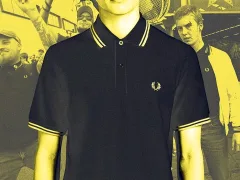
Fred Perry’s polo has been claimed by extremists before. How a brand ends up with customers it never wanted.
Fast Company
While other mall chains floundered in the pandemic, American Eagle kept opening stores and launching labels. What is it doing right?
Fast Company
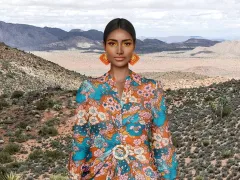
Gucci is designing for avatars as the line between digital and physical fashion blurs.
Fast Company
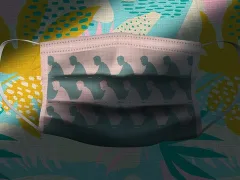
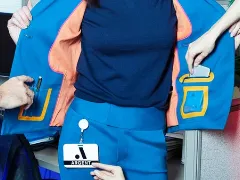
Immigrant workers in Los Angeles sewed masks for the country while getting little protection from the virus themselves.
Fast Company
The designer answers his critics and talks about the Black renaissance he believes is coming.
Fast Company
The department store was once retail’s great invention. COVID-19 may finish off a business that was already fading.
Fast CompanyCover story
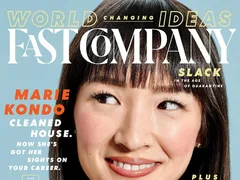
The millennial doyenne of decluttering wants to build the next lifestyle empire. But will it spark joy?
Fast Company
Plenty of DTC startups were already struggling. The pandemic leaves them a stark choice: reinvent or disappear.
Fast Company
Early in the pandemic, Amazon warehouse workers describe clocking in beside sick coworkers while orders pile up.
Fast Company
Glossier wants to own its pink bubble-wrap pouch, a fight that says a lot about where branding is headed.
Fast Company
A close look at Adidas’s road map for eliminating plastic waste, and why the rest of fashion should pay attention.
Fast Company
The doll brand that shaped millions of childhoods is in decline. Its comeback plan: return to what made it special.
Fast Company
A slew of new coats promises to keep you warm with unique fabrics and technology. These delivered.
Fast Company
A watchdog report on H&M shows how fashion brands make green promises without the details to back them up.
Fast Company
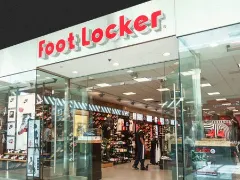
The company is acting more like a youth culture consultancy than a strip-mall fixture—part of a multipronged strategy to get ahead in the $95 billion sneaker wars.
Fast CompanyMagazine story
The fashion industry is awash in carbon-intensive plastics. As a climate crisis looms, upstart apparel brand Everlane is weaning itself off new synthetics entirely. Spoiler: It’s not easy.
Fast Company
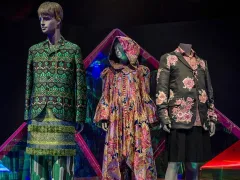
The curator behind a gender-bending fashion show at Boston’s Museum of Fine Arts on what it would take for skirts to go mainstream for men.
Fast Company
Apple, Gucci, Kate Spade, Uniqlo, L’Oreal, and Maybelline are just a few of the companies that sell Mickey-branded products to grown-ups. Here’s how Disney made adults fall in love with a cartoon character.
Fast Company
With a $125 million investment round, Rent the Runway is now valued at over $1 billion. The female unicorn club just got a little bigger.
Fast Company
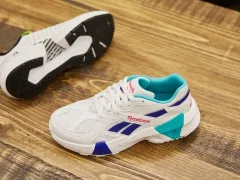
Demand for chunky “dad” sneakers has Reebok reissuing and remixing its ’90s archive.
Fast Company
Nike’s World Cup kits drew on players’ memories of the ’90s stars who first inspired them.
Fast Company
Startups selling reusable straws, wraps and bags are betting on climate anxiety. Can they take on the plastics giants?
Fast Company
Dolce & Gabbana’s offensive ads exposed the racism baked into luxury fashion, and Chinese shoppers pushed back.
Fast Company
For 300 years, most women’s clothes have lacked functional pockets. Thanks to a group of women-led brands, that’s starting to change.
Fast Company
The company that made yoga pants a status symbol prepares for a market flooded with activewear.
Fast Company
Allbirds developed a shoe sole made from sugarcane instead of petroleum, and is sharing the formula with competitors.
Fast Company
It's hard to believe that our purchasing decisions have any impact on the fashion industry. But this week, we found out that they do.
Fast Company
With $50 million in fresh funding, a magazine, a podcast, and a suite of new products, can Away pivot from hip suitcase maker to a millennial travel platform?
Fast Company
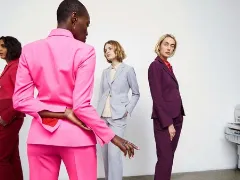
Women first wore suits to mirror the men in their male-dominated workplaces. But in the now-casual office, women are redefining the suit in their own image.
Fast Company
Male designers invented the high heel without considering comfort or walkability. These tech-savvy women are reinventing the iconic shoe for the modern woman.
Fast Company
After years as the mall’s temple of exclusive preppy cool, Abercrombie & Fitch is remaking itself for a more inclusive generation.
Fast Company
European luxury houses once sued Dapper Dan for bootlegging their logos, then borrowed his ideas. Now Gucci wants to work with him.
Fast CompanyMagazine story
The sharp selling machine behind Everlane’s pared-back basics. A Most Innovative Companies profile.
Fast Company
Barbie now champions body diversity and progressive causes. Is that enough to win over millennial parents?
Fast Company
Called Bodega, this startup installs unmanned pantry boxes in apartments, offices, dorms, and gyms. It promises convenience, but also represents competition for many mom-and-pop stores.
Fast Company
How white supremacists and antifascist activists use what they wear to make political statements.
Fast Company
Dozens of fashion employees describe unpaid wages, drug use and grueling conditions behind the industry’s glamour.
Fast Company
Unicorns are suddenly on everything from lipstick to bagels. What explains the obsession?
Fast Company
A new generation of companies is making higher-end clothing, furniture, eyewear, and more in the United States. Can their success lead to a revival of American manufacturing on a larger scale?
Fast Company
Emirati weightlifter Amna Al Haddad and other Muslim athletes helped push Nike to design a performance hijab.
Fast Company
Creative director Stuart Vevers is turning Coach from an outlet-mall staple into a true luxury house.
Fast Company
Fashion insiders on how to rethink the twice-yearly spectacle for the digital age.
Fast CompanyMagazine story
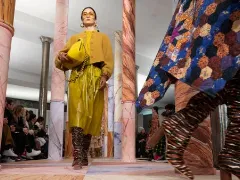
A string of Fashion Week events cemented Nike as a fashion brand, not just a sportswear giant.
Fast Company
Levi’s argues that the greenest jeans are the ones you keep wearing for years.
Fast Company
In a bitterly divided election year, clothes became a way to signal identity and solidarity.
Fast Company
Obama built a formidable tech infrastructure in the White House. It's now Trump's to lose.
Fast Company
How a newcomer cracked a crowded category and made its egg-shaped lip balm a millennial must-have.
Fast Company
A wave of startups is betting that androgynous clothing is here to stay.
Fast Company
The global cotton trade has a dark side. Boll & Branch is trying to build a cleaner, fairer alternative.
Fast Company
Once aspirational, companies like Ralph Lauren and Tommy Hilfiger have lost their luster, while innovative new brands are shining bright.
Fast Company
The generation forged during the Great Recession is entering college and the workforce. Here's what companies need to know about them.
Fast Company
Periods at work can sap women’s productivity. A new crop of startups is trying to make them less of a hassle.
Fast Company
Facing slow sales and lost market share, Adidas bets on winning over female athletes.
Fast Company
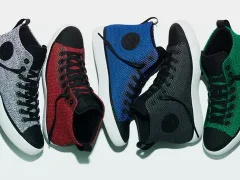
Converse and parent company Nike give the century-old Chuck Taylor a futuristic redesign.
Fast Company
Better known for designer collaborations, Target wants to become a destination for fresh, inventive food.
Fast Company
It's no longer (just) about patriotism or marketing. These brands want to create the best, most innovative clothes in the world.
Fast Company
How 23andMe grew up and won back the FDA after regulators shut down its genetic health tests.
Fast Company
Is entrepreneurship an answer to America's high recidivism rate? Fast Company explores one man's path from prison to self-sufficiency.
Fast Company
Denim is slumping and athleisure is booming, and every brand wants a piece of Lululemon’s turf.
Fast Company
Investors in startups like Blue Apron, HelloFresh, and Plated are wagering hundreds of millions of dollars on the idea that dinnertime is just too hard to manage. As meal-kit startups spring up like so many mushrooms, Fast Company investigates the boxed-meal phenomenon and how it will change the way we eat.
Fast Company
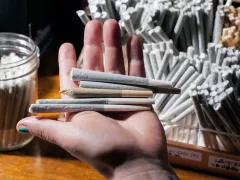
Inside the push to rebrand marijuana for mainstream consumers as the legal market takes off.
Fast Company
There’s now a monthly box for nearly everything. Will the subscription boom last?
Fast Company
From Amtrak to Facebook, it seems like everyone is launching an artist-in-residence program. But can art and commerce thrive together?
Racked
American Outfitters and American Apparel began to lose their moral grounding just as their target demographic started developing a cohesive sense of personal principles.
The Atlantic
The challenge of making an international chain feel like ... not an international chain.
Fast Company
How Japanese marketing know-how helped turn a humble bowl of noodles into an American obsession.
Christian Science Monitor
The cybersecurity industry has a history of hostility toward women. To make the field more welcoming, female security pros recommend moving away from the aggressive language of combat and talking about protecting people instead.
Fortune
Lisa Ellman has been quietly working to craft policy that will make it possible for commercial drones to be flown in the U.S.
Mental Floss
We're always fans of a good pun, so we asked Suzi Weiss-Fischmann, artistic director of OPI Nail Polish, to let her in on her team's creative process.
Fast Company
Meet the busiest Santa in the world.
Mental FlossMagazine story
Bet you didn't know it used to be war paint! (Click for PDF.)
Fortune
Female entrepreneurs, take note.
Fortune
Recipients of the L’Oreal Women in Science award say the $60,000 grant will allow them to overcome the challenges of having children while pursuing cutting edge science research.
Racked
Beauty brands are faced with a predicament: they need to produce the beauty products that men desire, while also being careful in their marketing. Research shows that the minute a dude feels emasculated, it's game over.
The New Republic
By refusing to engage with personal matters, academics are failing a generation.
Bitch Magazine
It is a curious coincidence that so many of the powerful women portrayed on television are on the verge of mental collapse.
Fast Company
These companies adapt to the needs of women so that employees aren't required to lean in too far.
The Chronicle of Higher Education
It turns out you can no longer do what you love. Now what?
The Atlantic
An ex-Trader Joe's exec's plan to reduce food waste and feed the hungry.
Fast Company
The real-life fairy tale of Naa-Sakle Akuete and Kyle Healy. And Apple, Google, AirBnB, and Paperless Post. Spotify, Amazon, TaskRabbit and Instacart.
Foreign Policy
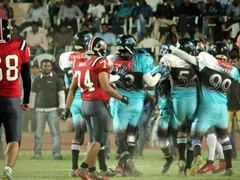
One woman is on a quest to sell American football to India. Is anyone buying?
The Atlantic
Can a budding labor movement improve the lives of non-tenure faculty - and, in the process, fix higher education?
The Chronicle of Higher Education
No one is forcing you to accept low-paid adjunct work.
The Atlantic
The choice to leave academia does not have to mean life as a barista.
Salon
It's time religion entered the 21st century: Why its acceptance of LGBT equality is slow but essential.
Bitch Magazine
Female journalists are struggling to assert themselves in an industry that is inhospitable to women.
The NationMagazine story
Muslim women are fighting for their rights from within Islamic tradition, rather than against it.
Salon
Elliott Sailors has gotten media criticism and homophobic slurs, but she says she's just expressing her masculine side.
Foreign Affairs
After months of protests over the results of Malaysia’s contentious election last May, the revolutionary spirit has largely died. Here’s why — and why the calm might not last.
The Atlantic
The Silk Road Ensemble seeks to use music as a basis for intercultural understanding.
The Atlantic
Though queer identities are finding greater acceptance in America, the trend is uneven: Transgender individuals still find themselves marginalized.
The Atlantic
In a country where dark women are referred to as “blacky” at work, one actress takes on a massive skin-bleaching industry.
The Atlantic
The country must prove that it can routinely and effectively prosecute rapists, even when it’s not in the international spotlight.
Elizabeth Segran is a regular speaker and moderator. She has led conversations with executives, designers, scientists and activists on stages from Copenhagen and Barcelona to Chicago, Austin and Oakland, on sustainability, fashion, retail and the future of how we shop.
Book Elizabeth to moderate panels and fireside chats, give keynotes, or speak about Mended and The Rocket Years. Write to [email protected].
Fashion's climate footprint, reverse logistics, recycling and responsible sourcing.
How resale is reshaping retail, and what it means for the planet.
AI shopping agents, store technology, and how retailers run more efficiently.
The science reshaping beauty, from plant-based ingredients to lab-grown ones.
How companies build loyalty, tell their stories and win over new generations.
Ideas from The Rocket Years on work, purpose and the decisions that shape a life.
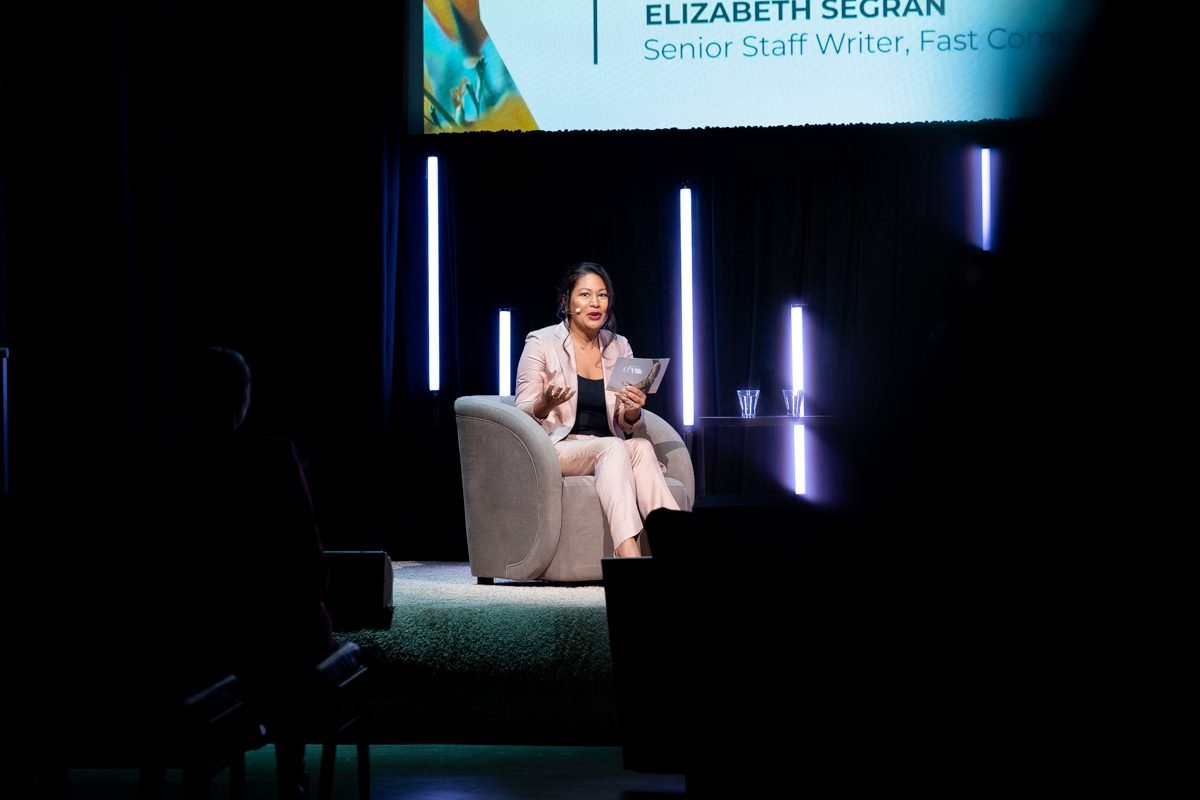
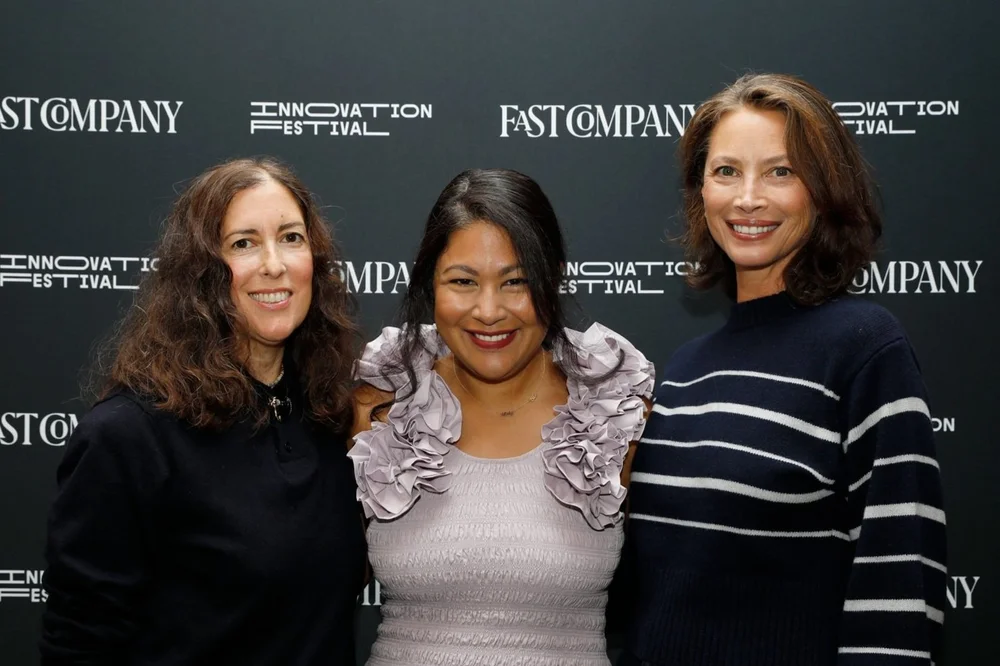
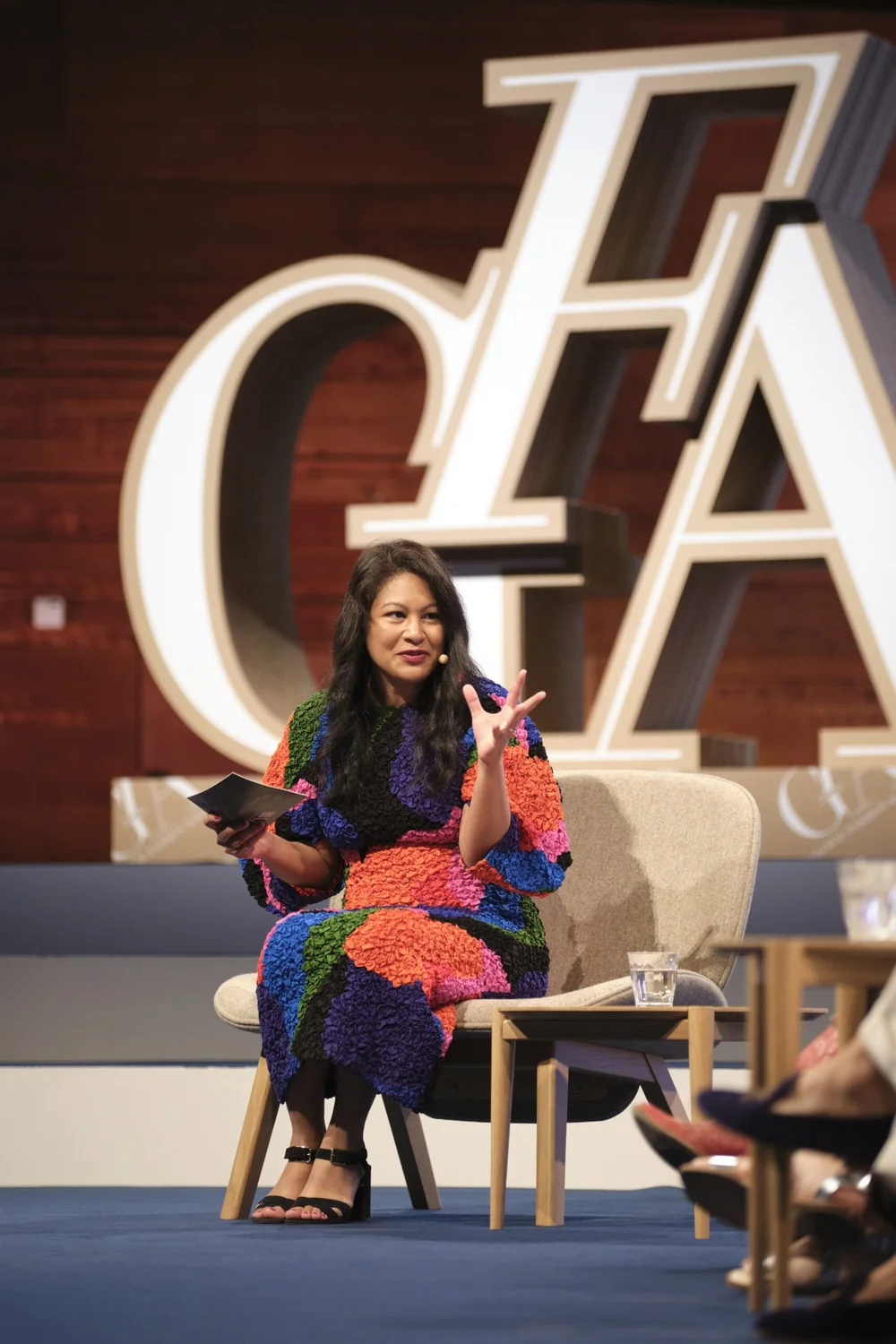
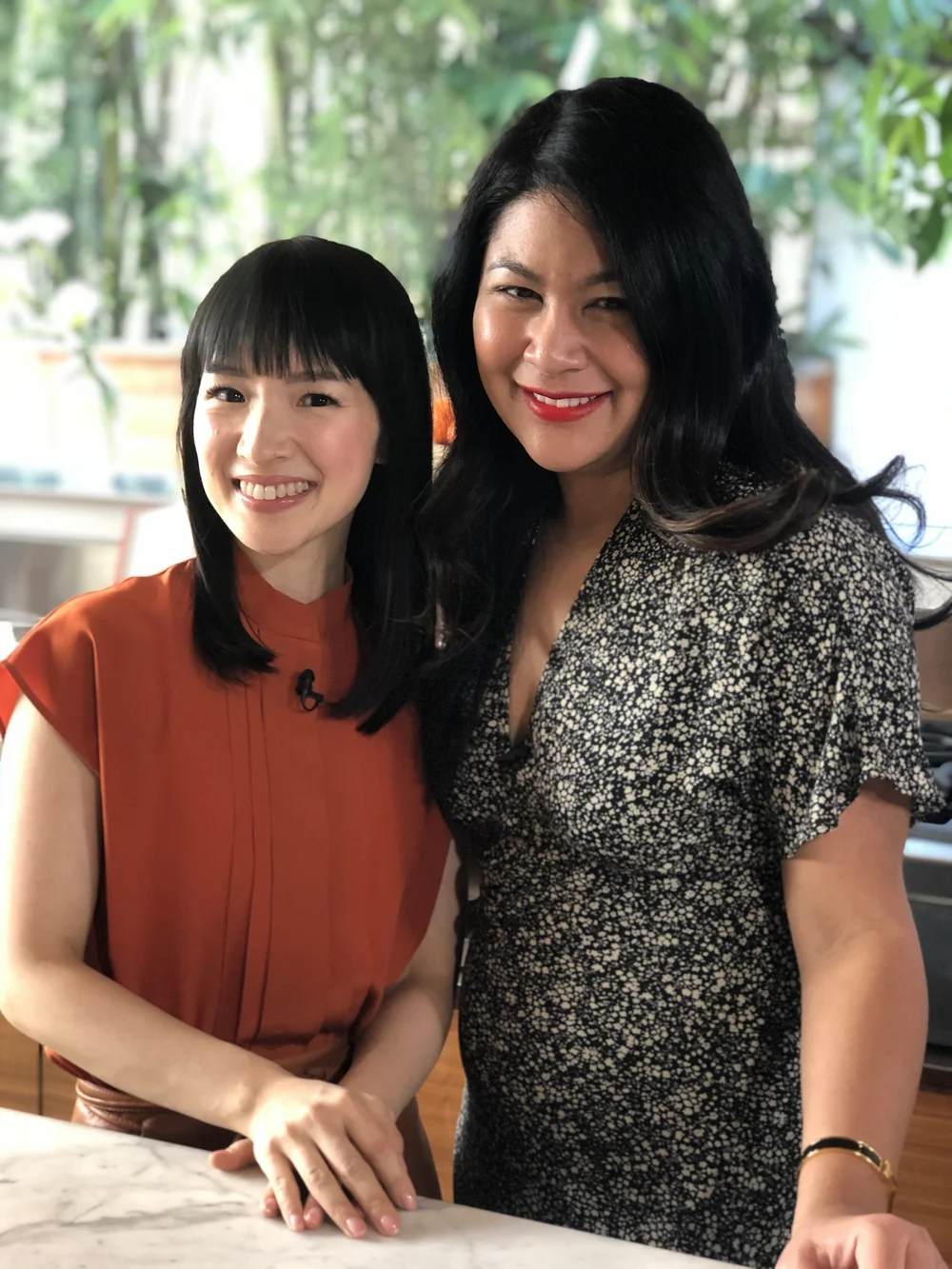
New York · September
ModeratorInterviewed Walmart U.S. CEO David Guggina, J.Crew Group CEO Libby Wadle and CIO Danielle Schmelkin, Coach CMO Joon Silverstein, and the leaders of Everbloom, Maison de Sabré and The RealReal.
Oakland, CA · April
Moderator“Responsible Sourcing,” a main-stage conversation with Lindsay Dahl, chief impact officer of Ritual, and Margot Lyons, director of sustainability at Coyuchi.
Cambridge, MA · March
Panelist“Designing for Circularity,” alongside leaders from New Balance and the textile-recycling company Circ.
New York · September
ModeratorInterviewed Sephora North America CEO Artemis Patrick.
Chicago · July
Moderator“From Plant to Lab: Beauty’s Biotech Revolution,” with leaders from Credo Beauty, Aveda and C16 Biosciences, plus a main-stage conversation with model and activist Cameron Russell on fashion’s climate impact.
Barcelona · June
Moderator“Enhancing Operational Efficiency and Reducing Environmental Impact,” with Amazon Europe, Free People (URBN) and Ocado Group.
Boston · August
SpeakerSpeaker at the e-commerce and retail conference.
Copenhagen · May
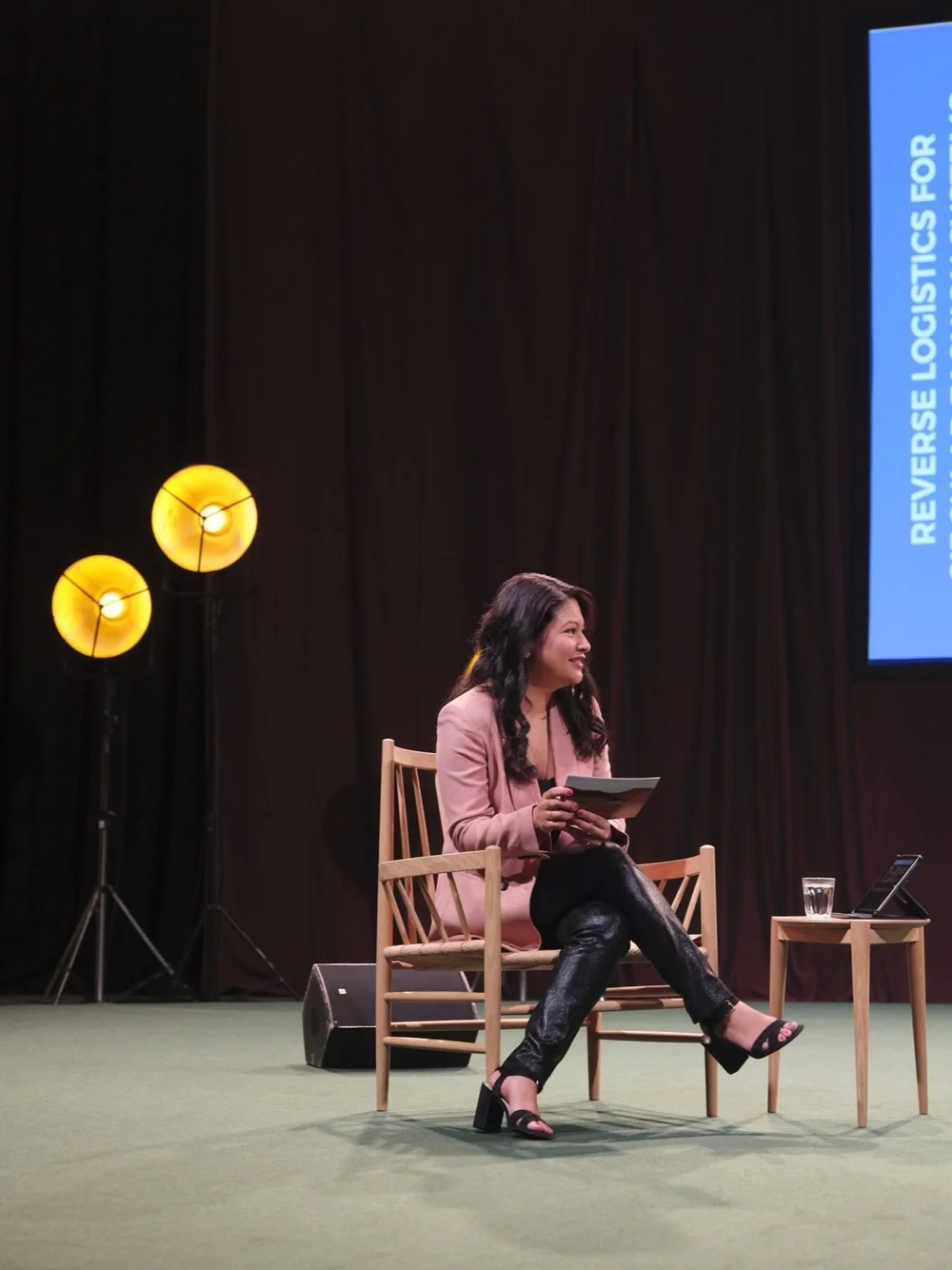
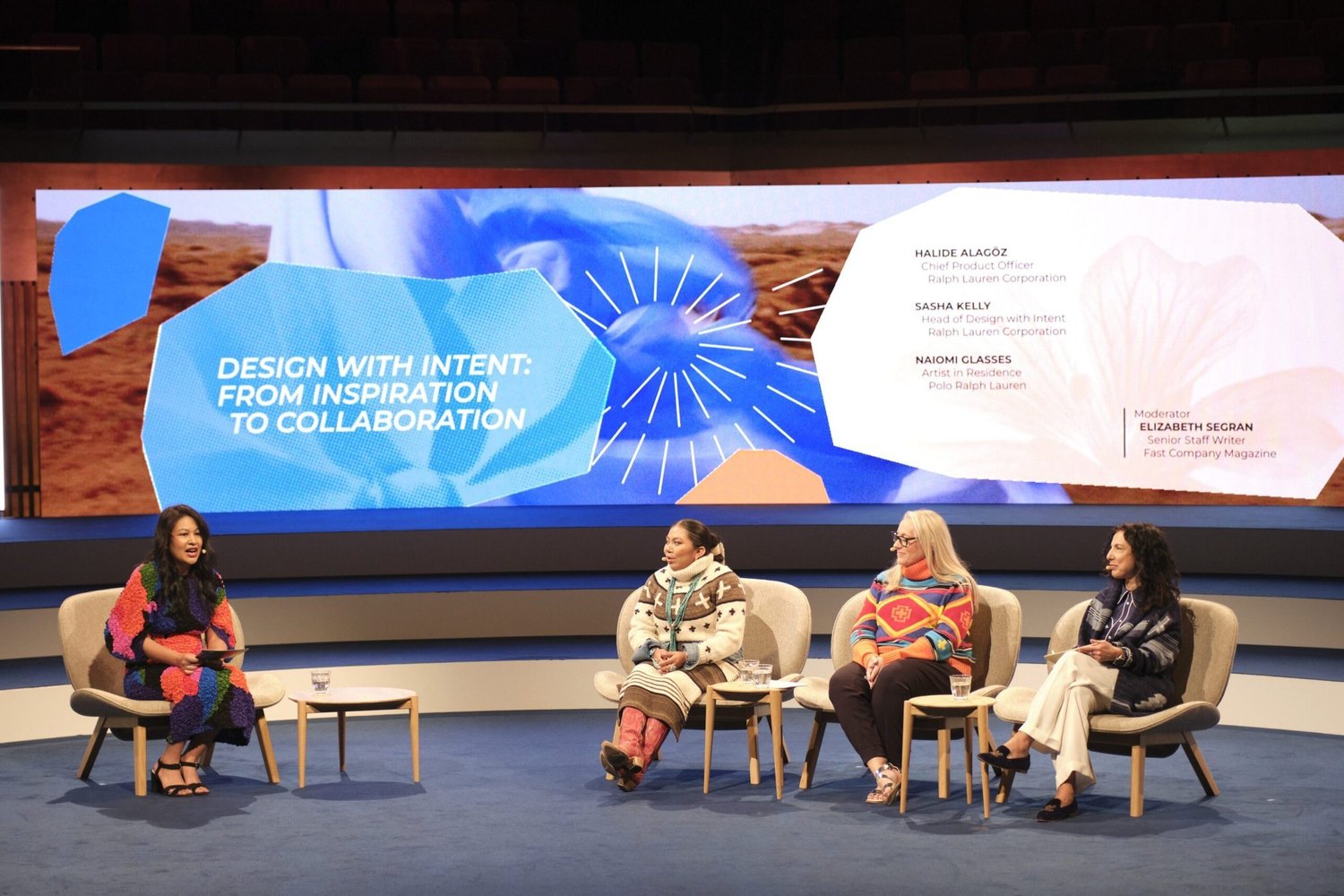
ModeratorTwo sessions: “Reverse Logistics for Circular Fashion Systems,” with Maersk, Circle Economy and VF Corporation, and “Design With Intent: From Inspiration to Collaboration,” with Ralph Lauren and Diné artist Naiomi Glasses.
UC Berkeley
PanelA conference for Ph.D.s exploring careers beyond the university.
New York · September
ModeratorInterviewed Diane von Furstenberg, Clare V. founder Clare Vivier with Christy Turlington Burns, and Cuyana cofounder Shilpa Shah.
On behalf of Fast Company
ModeratorModerated a session at the summit on reducing meat consumption.
Virtual · September
Fireside chatInterviewed designer Christian Siriano.
Virtual
Fireside chatA conversation on building a more sustainable fashion industry.
Virtual · October
InterviewerInterviewed Tommy Hilfiger and Nate Berkus.
Virtual · March
SpeakerSpeaker in the conference’s opening session.
New York · November
ModeratorInterviewed Everlane’s Kim Smith, Blueland’s Sarah Paiji Yoo and Maxine Bédat of the New Standard Institute on plastic in fashion.
August
Keynote fireside chat“Away: Creating Long-Term Customer Loyalty, Engagement, and Retention,” with Away’s director of retention marketing.
March
ModeratorModerated the conference’s CEO panel.
New York · October
ModeratorInterviewed Patagonia’s John Goodwin, plus founders Katherine Power of Clique Brands, Christine Hunsicker of Gwynnie Bee and Chris Kelly of Convene.
Austin · March
ModeratorModerated a panel presented by Patagonia Action Works.
Raising kids who love their clothes for longer: simple ideas from Mended for shopping less, caring more and passing clothes on.
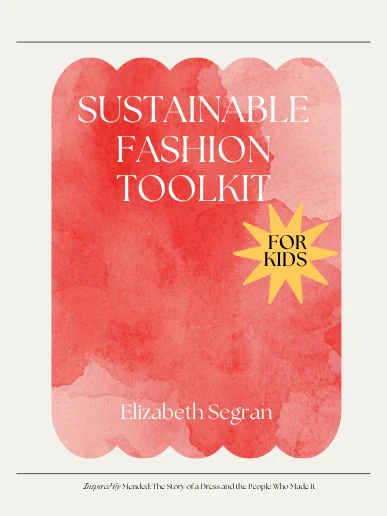
Free download
Eight pages on shopping, caring for and passing on kids’ clothes. Print it, or read it on your phone.
PDF · 3.9 MB
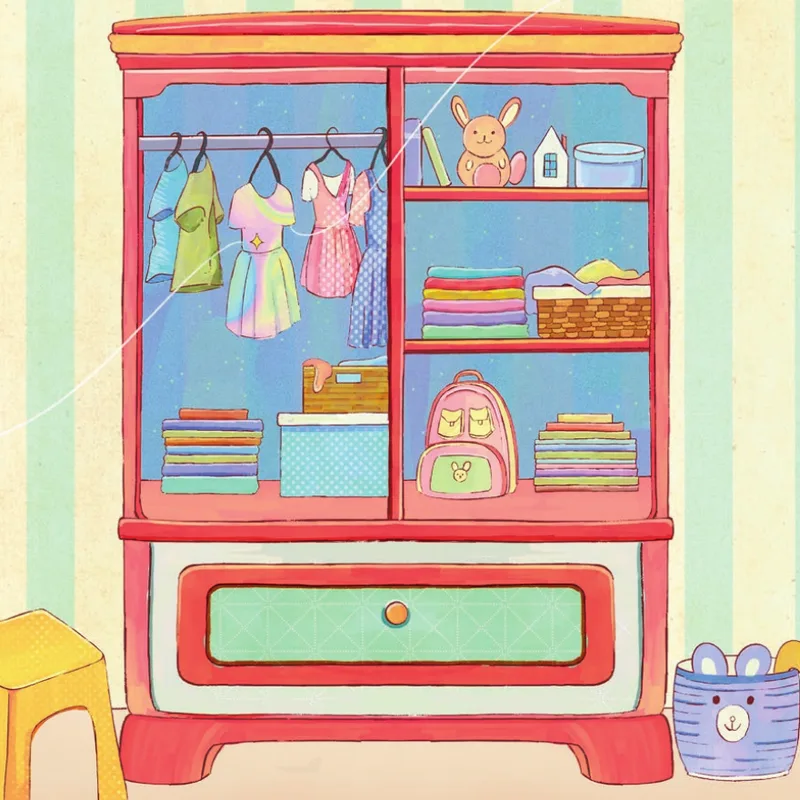
Buy fewer, better pieces, and look secondhand first.
How to shop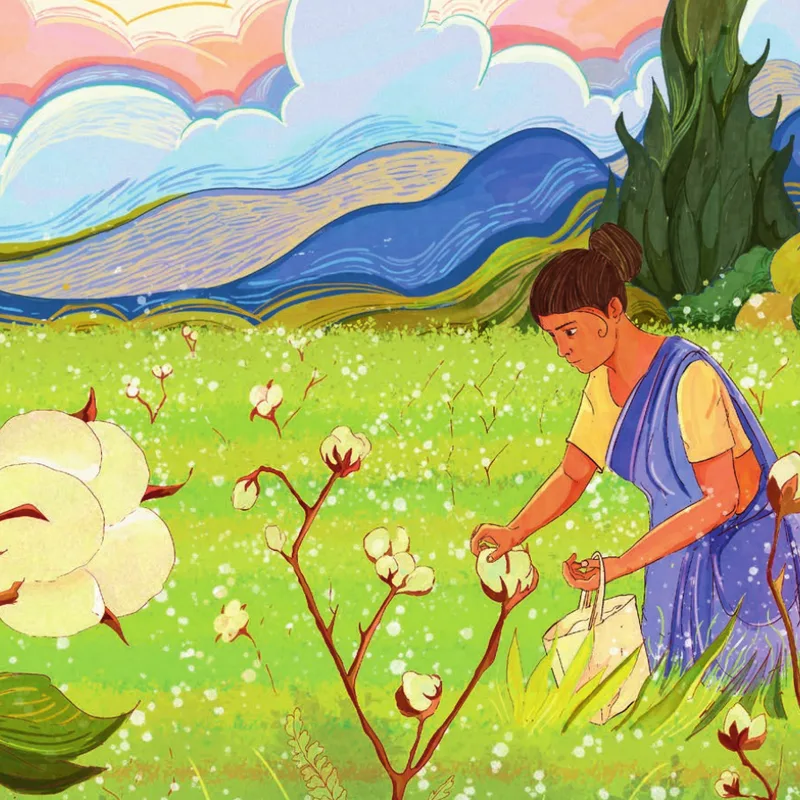
What “Made in” tells you, plus a guide to fibers and certifications.
Label guide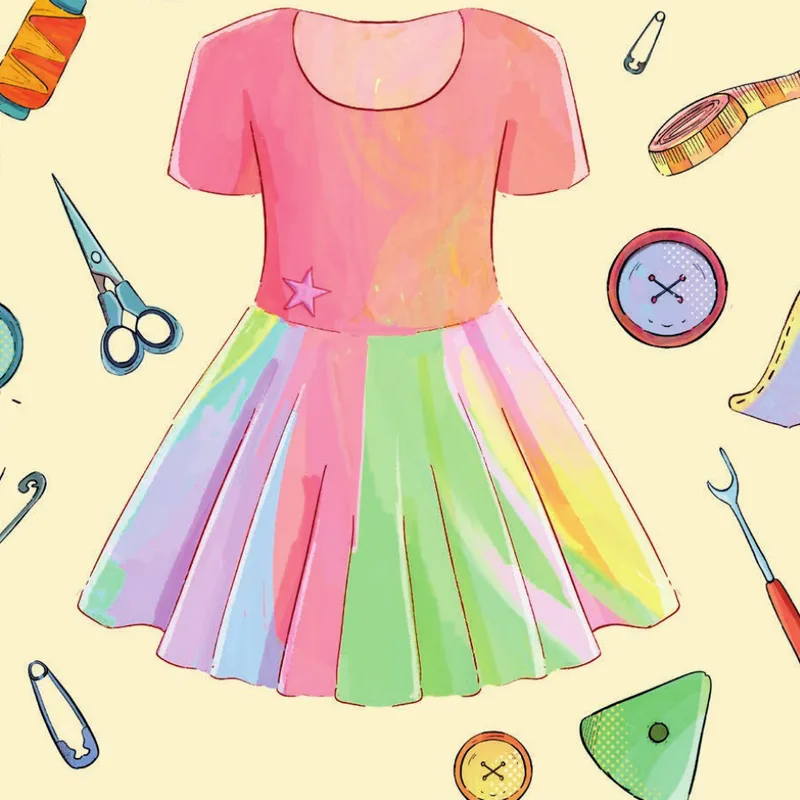
Wash cold, let some stains be, and patch what rips.
Care tips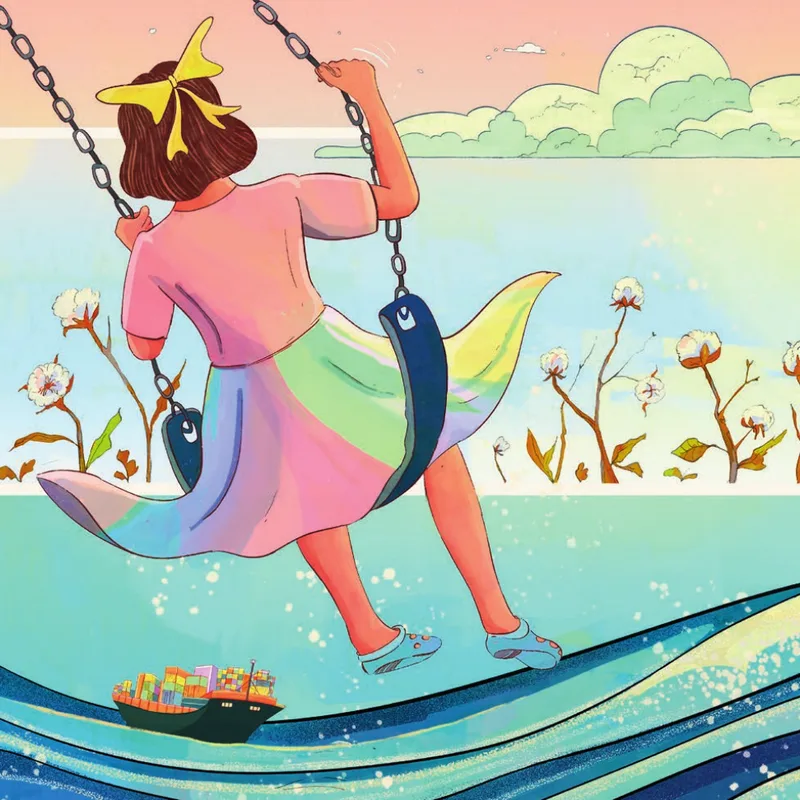
Pass it on, sell it or recycle it. Just skip the donation bin.
Where it can go
A conversation for parents about raising the next generation, with a craft for the kids.
Plan a party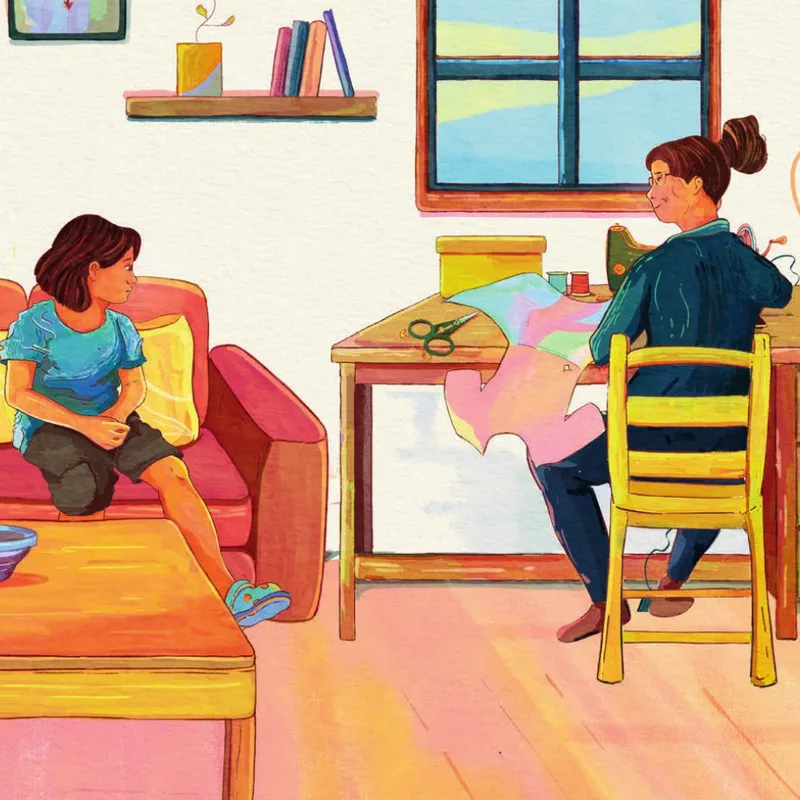
28 questions to get grown-ups talking about kids and clothes.
See the questionsEvery stitch tells a story.
Kids’ clothes don’t have to be disposable. Three habits help you buy less, buy better and keep clothes in use.
Ten pieces your kid loves beat fifty they feel lukewarm about. When you do buy new, go for quality. Thicker, more durable clothes cost more upfront, but they survive playtime.
A well-made piece can outlast one kid, get passed on to the next and still have life left in it.
We’re living in the golden age of secondhand. Thrift and consignment shops are treasure hunts waiting to happen. Host a clothing swap with friends. And never underestimate the humble hand-me-down: siblings, cousins and friends are an untapped gold mine.
Where to look online
Where was it made? Who made it? What’s it made of? If the answers make you uncomfortable, put it back. The label guide can help you find out.
That tiny “Made in” tag we all ignore tells you where a real person lives and works: someone who cut, pinned and stitched this exact piece of clothing by hand.
Worker protections are far stronger in some countries, like Japan and the U.S., than in others, like Bangladesh or Cambodia. Knowing this can shape what we buy and push us to favor brands that treat their workers well.
Cotton, wool, hemp, linen, cashmere and silk come from plants and animals. They eventually biodegrade.
Polyester, nylon, spandex and acrylic are made from fossil fuels. They shed microplastics and don’t biodegrade. Rayon, viscose and modal are made from chemically processed wood.
Made by breaking down old materials, like plastic bottles or used fabric. Recycled plastic-based fibers still shed microplastics.
No synthetic pesticides were used to grow the fiber. That’s better for the planet and for farmers.
GOTS
The fabric is organic.
Global Organic Textile Standard
Fairtrade
The people who made it were paid fairly.
B Corp
The company has to show it cares for people and the planet.
OEKO-TEX
The fabric is free from harmful chemicals.
FSC
The fabric is made from trees from responsibly managed forests.
Forest Stewardship Council
bluesign
The garment is made with safer chemicals and less waste.
GRS
The garment uses recycled materials.
Global Recycled Standard
A ripped knee or a mud stain is a badge of honor. Kids don’t stress about imperfect clothes, and neither should we.
When laundry day comes, full loads in cold water are the best way to save energy.
A hole doesn’t have to be the end of a garment. Visible mending, with patches and stitches, turns a worn-out spot into the best part of an outfit.
Either way, a little mending goes a long way. It adds years to a favorite piece and makes it one of a kind.
Messes are proof of a good day: grass stains, chocolate smears, the marks of childhood in full swing. Today’s stain removers are better than ever, and a dab worked in early can rescue a favorite piece and add seasons to its life.
But the deeper trick is to loosen our grip and let some marks be. A faint stain isn’t damage. It’s a little souvenir of a life well lived.
Want to practice with other families? Host a mending party.
One kid’s outgrown jacket is another kid’s favorite thing. Here’s how to keep clothes in use once they no longer fit.
Here’s a hard truth: a lot of clothes dropped in donation bins are shipped to places like Ghana and Chile, and many end up in enormous trash heaps. Skip the bin. Pass them to a friend, or post them in your local Buy Nothing group.
If it’s in good shape, sell it. The reason is simple: if someone pays for something, they’re likely to use it. And a secondhand price means another family can afford something they might not have otherwise.
The system isn’t there yet, but it’s coming. Startups like Circ are building the infrastructure to make recycling clothes as easy as recycling an aluminum can.
In the meantime, H&M, Zara and Reformation have in-store collection bins and are stockpiling textiles to recycle when the technology catches up. Drop them off and consider it a bet on the future.
A living-room conversation for parents. Elizabeth brings 15 years of expertise in sustainable fashion, and together you talk about how to raise the next generation to love their clothes for longer.
Parents arrive with real questions, and the conversation follows them. There’s time for a Q&A, the kids get a reading and a craft of their own, and everyone goes home with the toolkit. Ahead of Mended’s April 2027 release, Elizabeth is hosting these in living rooms around Boston, and they’re part of the book tour, too.
How to answer “Who made my T-shirt?” honestly, at any age.
What to say when your kid wants what everyone else has, or relatives want to buy more.
The resale sites, swaps and hand-me-down networks worth your time.
Which fibers and certifications matter, and how to see through vague green claims.
Stains, simple repairs and finding a tailor you trust.
What really happens to donated clothes, and better ways to pass things on.
Curious how it starts? Here are the questions Elizabeth brings.
Kids hear Mended, cut iron-on patches to take home and mend a paper doll’s dress. It works best with six to twelve kids.
A living room where the grown-ups can gather, a low table for the kids, and tea and cookies for the end.
Patch material, scissors, paper dolls, fabric scraps, washi tape and a printed toolkit for every parent.
The questions Elizabeth brings to mending parties to get the grown-ups talking. Try them over dinner, in a parents’ group or at a party of your own.
Want it on paper? Download the Sustainable Fashion Toolkit for Kids, an eight-page booklet you can print (PDF, 3.9 MB).
Elizabeth Segran is senior staff writer at Fast Company, whose work has appeared in a range of publications including The Atlantic, Foreign Policy, Foreign Affairs, The Nation, The New Republic, The Chronicle of Higher Education and Salon. Her book, The Rocket Years, was published in 2020 by Harper Books. Her picture book, Mended: The Story of a Dress and the People Who Made It, illustrated by Kay Sohini, will be published by Kokila, an imprint of Penguin Random House, in April 2027.
She received her Ph.D. from the University of California, Berkeley in the field of South and Southeast Asian Studies with a Designated Emphasis in Women, Gender and Sexuality. She is an expert on India, having devoted a decade to studying its history, literature, culture and gender dynamics.
She is a global nomad who grew up in Brussels, Paris, Singapore, Jakarta and London before moving to New York to attend Columbia University. She currently lives in Boston with her books, her husband and her two daughters.